What is VPS Hosting? Do You Really Need It for Your Website?
What is VPS Hosting?
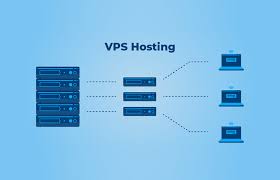
A VPS (Virtual Private Server) is like an apartment building. While all residents share the same physical building and infrastructure (the physical server hardware), each apartment (your VPS instance) is completely separate, self-contained, and has its own assigned resources (like a kitchen, bathroom, etc. – or in hosting terms, CPU, RAM, and storage).
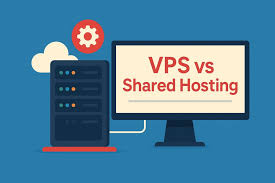
- Compared to Shared Hosting: Imagine shared hosting as a large dorm room where everyone shares everything – resources are less predictable, and one user’s heavy usage can impact others. VPS offers more privacy, control, and dedicated resources than shared hosting, making it more stable and scalable.
- Compared to Dedicated Hosting: Dedicated hosting is like owning a whole house – all the server’s physical resources belong exclusively to you. This offers the ultimate control and performance but is significantly more expensive and complex to manage than VPS.
Do You Really Need VPS Hosting?
The short answer is: it depends on your specific website’s needs, traffic, and future plans. Here are some key signs that VPS hosting might be the right move:
- Growing Traffic: If your website’s traffic is steadily increasing or you anticipate regular spikes (e.g., e-commerce sales, viral content), VPS can handle the load much better than shared hosting, preventing slowdowns or crashes.
- Resource-Intensive Content: Sites with a lot of heavy images, videos, complex animations, or demanding web applications (like online stores with many products or custom software) consume more server resources (CPU and RAM). VPS provides guaranteed resources for better performance.
- Control & Customization: If you need specific server-side software, custom configurations, or root access to manage your operating system, VPS gives you this level of control. Shared hosting typically restricts these permissions.
- Improved Security: While shared hosting is generally secure, VPS offers an added layer of isolation. Security breaches on other websites on the same physical server are much less likely to affect your VPS environment.
- E-commerce: Online stores often involve transactions, databases, and dynamic content that require more power and security than basic shared hosting can consistently provide. VPS can handle these demands more reliably.
Choosing between managed and unmanaged VPS is another consideration – managed VPS means your hosting provider handles much of the technical server management, while unmanaged requires you to do it all, offering more control but needing significant technical expertise.
Ultimately, while VPS hosting is a step up in both performance and cost from shared hosting, it’s often a necessary upgrade for websites that require more than basic features, stability, and scalability.